
Topic 3: Understanding the City's Role at the International Woolen Mill
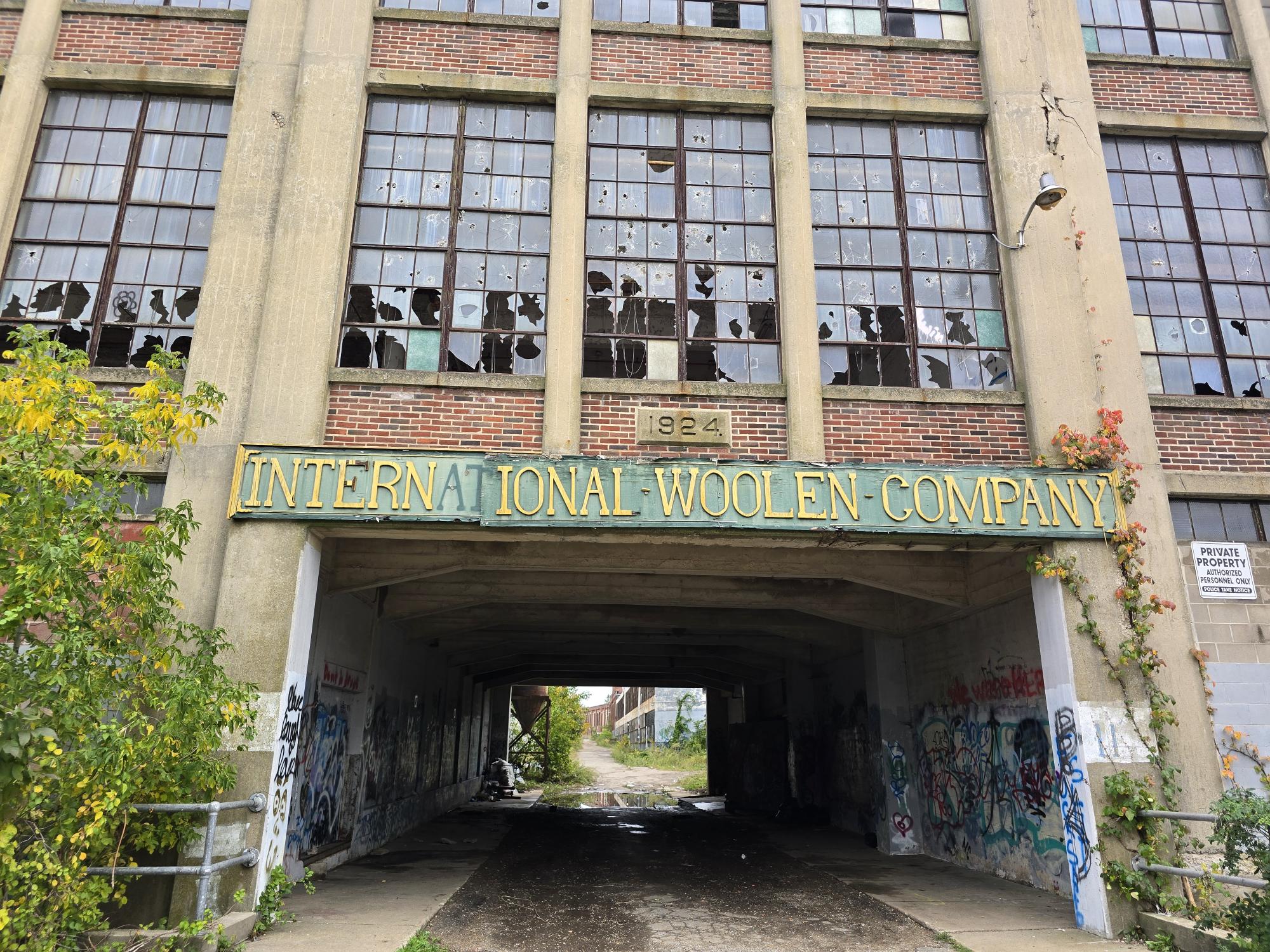
The International Woolen Mill remains one of the most complex and challenging properties in Sanford’s Historic Mill District. The large, vacant complex presents serious structural, environmental, fire and safety concerns, while unauthorized entry, trash and debris continue to impact the property and surrounding area.
As work continues to address these conditions, it is important to understand the City’s role, the limits of its authority over the property and the efforts currently underway.
Understanding the City’s Role
The International Woolen Mill is a privately-owned property. Although the Sanford City Council declared the property abandoned pursuant to State law, that declaration did not transfer ownership of the property to the City.
The abandoned property declaration is a legal tool that gives the City additional authority to address certain conditions at the property, including enforcing criminal trespass. It does not make the City responsible for the ongoing maintenance, security, cleanup or care of the privately-owned complex.
The City has spent more than $25,000 attempting to secure the facility due to the significant public safety concerns it presents. Despite these efforts, barriers, doors and other security measures have repeatedly been breached.
The City continues to use its enforcement authority to address unauthorized entry. On September 29, 2026, the Sanford Police Department conducted an operation within the complex that resulted in 13 individuals being cited for criminal trespass. Police have since established an ongoing response due to the serious dangers associated with entering and occupying the deteriorating structure.
Ultimately, the abandoned property declaration gives the City additional tools to address public safety concerns at the International Woolen Mill, but responsibility for the private property does not shift to the City.
Cleanup Efforts in the Surrounding Area
The City continues to address conditions in public areas surrounding the mill, including nearby Heritage Crossing. Public Works crews have repeatedly removed trash and debris from the Mill Yard and surrounding areas.
While some debris has been associated with individuals experiencing homelessness, City staff have also documented substantial illegal dumping by others using the area as an informal disposal site. The City will continue targeted cleanup and enforcement where appropriate, but repeated cleanup efforts cost tax payer dollars and cannot provide a permanent solution to conditions on private property.
Evaluating Long-Term Options
The City is currently working with outside agencies and other partners to identify potential long-term options for the property.
Following the September 29 enforcement operation, City officials joined representatives from the Environmental Protection Agency Region 1, the Maine Department of Environmental Protection, the State of Maine Land Bank Authority, environmental professionals and private development interests for an extensive tour and assessment of the complex.
The assessment confirmed that the significant environmental, structural and public-safety challenges associated with the property have no single or simple solution, and are of a scale and complexity beyond the City’s capacity to handle alone.
Environmental remediation, selective removal, potential reuse and other approaches remain possible, given collaboration with partners. Complete demolition may ultimately be considered, but the extraordinary scale and cost could make it one of the most difficult options to finance.
The City will continue working to bring together Federal, State, municipal and private resources to address different aspects of the property over time.
Boiler House Project Moving Forward
One significant piece of work to address this property is already underway at the former International Woolen Mill Boiler House.
The City has secured approximately $5 million in Federal EPA funding to demolish the former Boiler House, remediate environmental contamination and preserve structural elements necessary to support Pioneer Avenue, including the retaining wall. The project will also create additional space for future parking and other uses in the Mill District.
TRC, the City’s environmental consultant, is completing engineering and environmental work. Environmental permitting has been obtained, geotechnical work for the Pioneer Avenue retaining wall has been completed, and State Historic Preservation authorization remains pending.
The City anticipates issuing bid documents in November 2026, with demolition anticipated to begin in April 2027.
The Boiler House project represents a tangible step toward addressing one portion of the larger challenges associated with the International Woolen Mill.

Thank you for your contribution!
Help us reach out to more people in the community
Share this with family and friends